
+34912901845 +34654503682

$message.operated_by, $message.partner

Transpacific Cruises

HISTORY

History

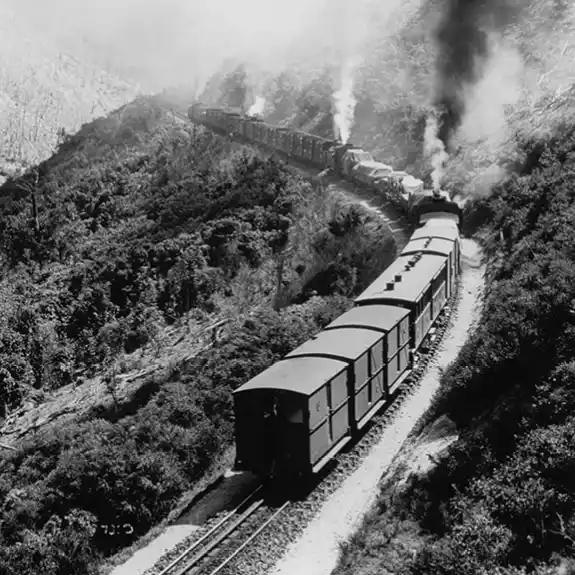
The history of trans-Pacific transportation dates back to the 19th century when the gold rush in California spurred the need for a faster route to the west coast of the United States. In 1869, the Transcontinental Railroad was completed, connecting the east with the west and facilitating trade and migration. During the same period, maritime trade between North America and Asia grew, fostering shipping routes across the Pacific Ocean. By the late 20th century, cargo ships began to dominate trans-Pacific transportation, driven by globalization. Today, trans-Pacific trade is vital to the global economy, connecting continents and cultures.

FOOD

Food

The food on a transpacific cruise is a diverse culinary experience that reflects the route of the journey and the countries visited. As the ship approaches destinations like Hawaii or Australia, local cuisines take center stage, featuring fresh seafood and dishes such as poke or grilled shellfish. Additionally, the restaurants on the ship offer everything from international buffets to gourmet dinners, providing a varied dining experience that complements the adventure of the cruise.

THE MOST PROMINENT PORTS

The most prominent ports

On a transpacific cruise, you can explore fascinating destinations such as:

- Sydney, with its iconic Opera House and beaches like Bondi, perfect for relaxing.
- Honolulu, in Hawaii, surprises you with its paradise-like beaches, Polynesian culture, and stunning volcanic mountains.
- French Polynesia, with islands like Tahiti and Bora Bora, offering crystal-clear waters, coral reefs, and dreamlike tropical landscapes.
- Auckland, known as the "City of Sails," features an impressive harbor, beautiful parks, and a vibrant cultural scene.
- San Francisco, famous for its iconic Golden Gate Bridge, steep hills, and rich history during the Gold Rush.

Each stop offers a unique blend of culture, history, and unforgettable landscapes.

WEATHER

Weather

The weather on a transpacific trip varies depending on the season and routes. You can experience everything from the tropical heat of the Pacific islands to the temperate climate of American cities. It is recommended to bring lightweight clothing, sunscreen, and a light jacket for the cool nights at sea.

CURRENCY

Currency

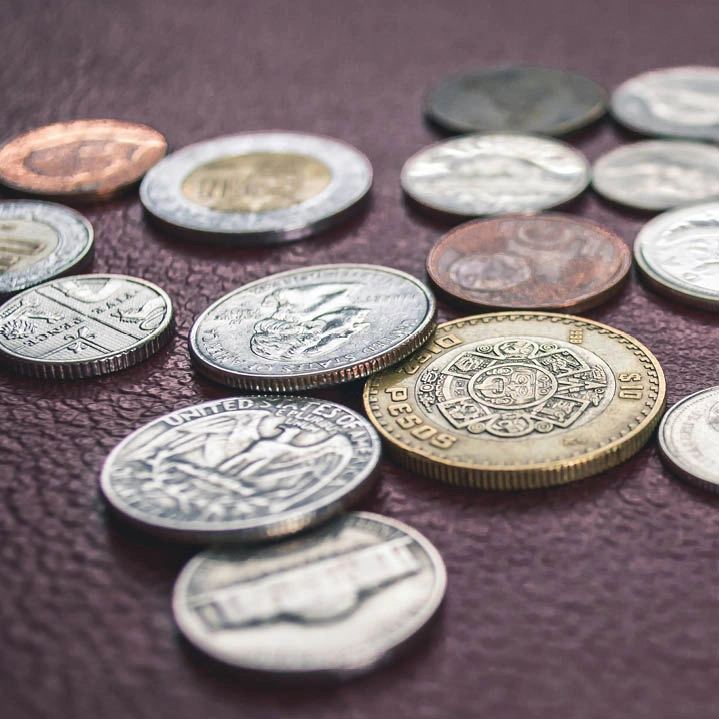
On a transpacific trip, the most common currencies include the Australian dollar (AUD), the New Zealand dollar (NZD), and the US dollar (USD) in Hawaii. Credit cards are widely accepted in most destinations, but it's helpful to carry some cash for local markets and small purchases. Additionally, some countries require the use of local currency, so check before you travel.​

CURIOSITIES

Curiosities

- Hawaii: it is the only U.S. state that is cultivated in an archipelago and has its own official language, Hawaiian, which is considered one of the oldest languages in the world.

- Bora Bora, the "firstborn.": Its name comes from the fact that it was the first island sighted by European explorer James Cook in 1769. Additionally, it is believed that Polynesians arrived on the island around the 4th century AD, making it a place with a rich cultural history and a deep connection to its traditions.

- Route of the ancient navigators: The Transpacific route follows the paths used by ancient Polynesian navigators who crossed vast distances in canoes. These intrepid explorers were pioneers of navigation, using the stars, ocean currents, and wind to find new islands.

- Dream islands: Along the way, you can visit French Polynesia, where places like Bora Bora and Moorea are known for their idyllic landscapes of turquoise lagoons and volcanic mountains. These islands are ideal for diving, snorkeling, and enjoying Polynesian culture.

- Crossing the International Date Line: When traveling from west to east, you will cross the International Date Line, which means you may lose or gain a day. This phenomenon can make your vacation feel longer or shorter.

What itineraries does Princess offer on a Transpacific cruise?

Princess offers voyages connecting the Americas, Asia and Oceania across the Pacific Ocean. Depending on the route, you can combine Hawaii and the South Pacific with Japan, Australia, New Zealand or destinations along the North American Pacific Coast.


Which Princess ships operate Transpacific cruises?

Ships vary depending on the season and itinerary. Ships operating these routes include Royal Princess, Sapphire Princess, Grand Princess, Coral Princess and other vessels from the fleet, depending on the selected sailing.


What is the main language onboard Princess Transpacific cruises?

The main language onboard is English. On selected sailings, Spanish-language services may also be available, including an Assistant Guide and optional excursions in Spanish, depending on the cruise.


Which destinations can I visit on a Transpacific cruise?

Depending on the itinerary, you may visit Hawaii, Tahiti, Moorea, Fiji, Samoa, Japan, New Zealand, Australia and different cities along the Pacific Coast. Some routes also include crossing the International Date Line.


How long does a Princess Transpacific cruise last?

Duration depends on the selected route. There are voyages of around three weeks, as well as longer itineraries of 25, 30 days or more combining the South Pacific with Asia, Australia or New Zealand.

What can I do during sea days?

Sea days give you time to enjoy dining, entertainment, pools, activities and relaxing spaces as you cross the Pacific. They are also an opportunity to take in the ocean scenery and enjoy an experience designed for travellers who appreciate spending more time onboard.

Can I combine a Transpacific cruise with other destinations?

Yes. Some routes combine the Pacific crossing with Hawaii, French Polynesia, Japan, Southeast Asia, Australia and New Zealand. This allows you to create a long-distance journey with a wide variety of cultures, landscapes and experiences.

Do you have any questions about this cruise?

Contact us and we will guide you in everything you need.
We call you
Send question